Takeaways
Joss Winslet is publicly described as the younger brother of actor Kate Winslet, but reliable information about his own work and daily life is limited. The source says he has not pursued a public acting career. His biography is therefore best approached through the family’s theatrical background and the clear distinction between a famous sibling’s career and a private person’s identity.
A family shaped by theatre
The profile places the Winslet family in Reading, Berkshire, and describes parents Roger and Sally as connected to performance and theatre. Growing up around people who work in the arts can expose children to scripts, rehearsals, and backstage routines, but it does not obligate them to become performers. The family background helps explain why the siblings’ lives sometimes appear in entertainment reporting. It cannot establish what Joss personally wanted or how he experienced that environment. Those questions belong to him unless he chooses to discuss them. The reported details here draw on the profile of Joss Winslet.
The sibling most familiar to the public
Kate Winslet’s international film career makes the family name recognizable. National Portrait Gallery’s profile of Kate Winslet provides an independent overview of that public career. It is context for why readers search for her relatives, not a source about Joss’s private life. That distinction is worth making explicit: a sibling’s award, film role, or interview should not be imported into another person’s biography as if it described their own ambitions.
Different relationships to public performance
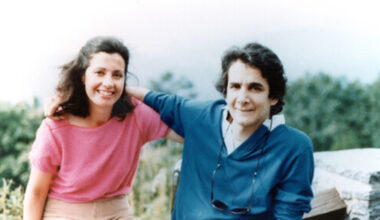
The supplied profile says Joss has not developed a public acting résumé and is sometimes photographed at family events. A photograph can establish presence at an occasion, but not profession, personality, or a sustained desire for visibility. People in the same family can make different choices about work and publicity. One may build a career in front of cameras; another may attend a celebration and return to a private routine. Both are ordinary outcomes, and neither should be treated as a mystery.
Why the record stays short
Reliable coverage of Joss’s occupation, education, and interests appears sparse. Online biographies sometimes try to compensate by repeating family-tree details, but those details do not answer the basic question of what he has chosen to do. Without interviews or public work records, a longer narrative risks inventing a personality from absence. The profile’s suggestion that he values privacy is plausible, but motive cannot be known unless he has said so. Better to say that his public footprint is limited and leave the reason open.
The line between curiosity and entitlement
Readers are naturally curious about a close relative of a celebrated actor. But public interest does not erase the distinction between a public figure and a private individual. It is possible to tell the story of a family’s theatrical background while declining to speculate about relationships, employment, or social media. A respectful account makes the available connection clear, then stops where reliable information stops. That restraint avoids turning ordinary life into a puzzle for strangers to solve.
A family biography without a forced spotlight
Joss’s story can be understood as part of a family with a strong relationship to the stage, alongside a sibling whose work became globally visible. The two facts belong together, but they are not equivalent biographies. The public record supports a limited outline and no more. Britannica supplies career context for Kate, while the linked profile offers the reported family connection. Neither source should be used to invent the chapters Joss has kept to himself. That is a coherent story in its own right. The family’s public record remains distinct from Joss’s own choices and experiences. Any future interview or public project should update this outline on his terms. Until then, the known family context is enough to explain public interest.