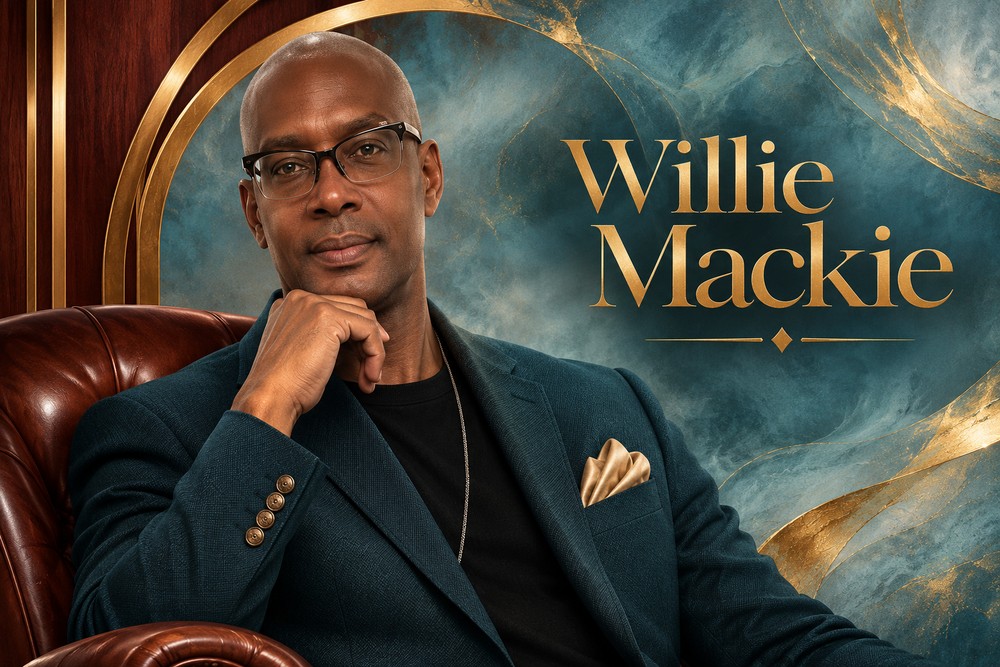
Takeaways
Willie Mackie’s story, as presented in the source, moves from rural Louisiana to a New Orleans roofing business launched with his brother James after Hurricane Betsy. The profile connects the family’s trade to later generations’ work in hospitality, engineering, and the arts. Its strongest theme is how practical skill and entrepreneurship can become a family legacy, while individual relatives still choose very different paths.
From rural Louisiana to the city
The source describes Mackie as growing up in St. Francisville and leaving for New Orleans as a teenager. It says he had limited formal schooling and learned through work, a path that reflects economic realities for many working families but should not be romanticized as an easy alternative to education. The move from rural community to city changed both the opportunities and risks before him. In the source’s account, roofing became a trade through which he and his brother could build a livelihood. The reported details here draw on the profile of Willie Mackie.
A business formed in the aftermath of a storm
Mackie Roofing is said to have started in 1965 after Hurricane Betsy. The National Weather Service’s historical account of Betsy documents the storm’s severe Gulf Coast impact, placing the company’s origin in a period of urgent rebuilding. That context helps explain why roofing services mattered, but it does not independently establish the company’s founding date or business history. Those specifics would be best checked through local directories, company records, and contemporary reporting.
From truck and tools to enterprise
The profile describes the business growing from a modest start into a roofing and supply operation with a warehouse. That kind of growth depends on more than a good story: reliable crews, materials, customer trust, and the ability to navigate cycles of construction and repair. A family-run enterprise can distribute both labor and responsibility across generations. But the source’s broader claims about company scale would need independent records to measure revenue, staffing, and the business’s role in the city’s roofing market.
Children who carried the work ethic differently
The account presents several children pursuing distinct careers. One went into hospitality, another into engineering and STEM outreach, and another into acting. These paths show how a family can pass on values—persistence, skill, or community responsibility—without passing down a single occupation. The details about living relatives should be treated carefully and included only when public achievements are relevant. No one’s personal life should be reduced to a proof point for a parent’s legacy.
Storm recovery and local memory
Hurricane recovery is often remembered through damage totals and official response, but local business histories reveal another layer: contractors, suppliers, and workers who repair homes and infrastructure. Roofing is especially visible after severe weather because a damaged roof exposes the rest of a house to further harm. The historical context clarifies why a company could emerge during a recovery period. Yet not every storm-era business story is automatically a heroic one; a grounded account should combine family recollection with documents and contemporary sources.
A legacy made of practical skills
Willie Mackie’s profile is most persuasive when it stays close to the work: learning a trade, building a company with a sibling, and watching descendants pursue their own professions. The family narrative is expansive, but the public record remains uneven. The weather history supplies reliable context about Betsy, while company documentation would help verify the business’s growth. Together these sources can support a richer account of New Orleans enterprise after a major storm, without claiming more certainty than the evidence allows. Local newspaper archives and city directories could add a valuable next layer. Rebuilding histories from such evidence can recover the everyday labor that storm coverage often leaves out. That work can also clarify how a local firm evolved over time.